
Making TS Sniper Girl Episode 1
Armoa / MONOPHASES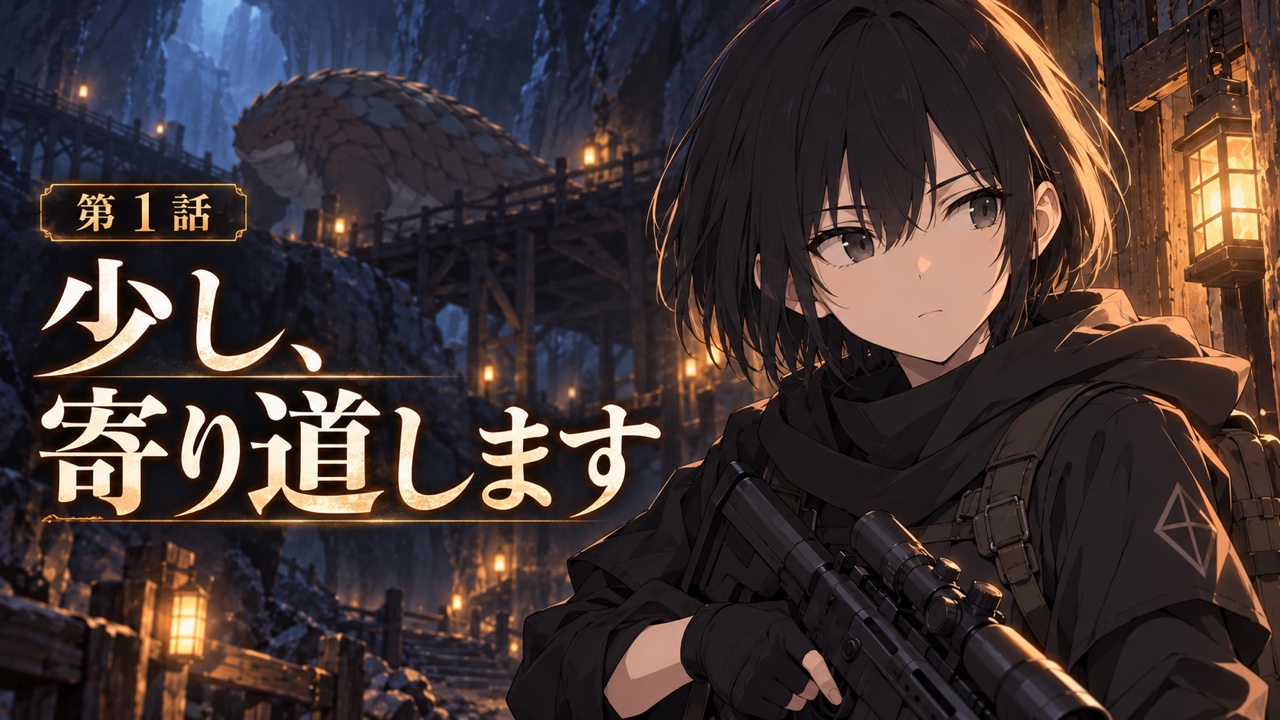
Episode 1 of TS Sniper Girl's Dungeon Streaming, A Little Detour, is now on YouTube. Production began in Codex, then moved to Claude's Opus for a rebuild.
The finished video runs about 10 minutes 30 seconds, including roughly 6 minutes 32 seconds of story footage. It combines the existing opening, A Light Beyond the Line of Fire, and ending, A Night to Say Goodnight, with a title sequence and a childhood flashback.
Three novel chapters become one episode
The episode adapts the first three chapters of the novel. Rather than following the novel's chapter breaks, I chose a continuous arc: Noa does her work, starts streaming, rescues someone and receives an invitation from the people she helped.
Noa is already a strong adventurer. I did not want to give her an awakening or add unnecessary struggles for the rescue. The episode should show both her strength in battle and her awkwardness in accepting kindness.
A promising shot and problems across the episode
I began with Codex by organizing the structure, script, references and actions to generate. For video, I used MiniMax H3 with starting images, character references, grid images showing stages of an action, and descriptions broken down by seconds.
The close-combat tests improved when the action was narrowed to a brief, low thrust followed immediately by a sweeping motion. The blade's light was included in the generated footage, and speed was adjusted. Specifying action order was not enough: arm height and the point of contact also needed concrete directions.
The full rough cut had a different problem. In one early version, about 7 minutes 48 seconds of a 9-minute-22-second cut consisted of still images—roughly 83 percent. Long conversations were bridged with static pictures, often returning to the same view.
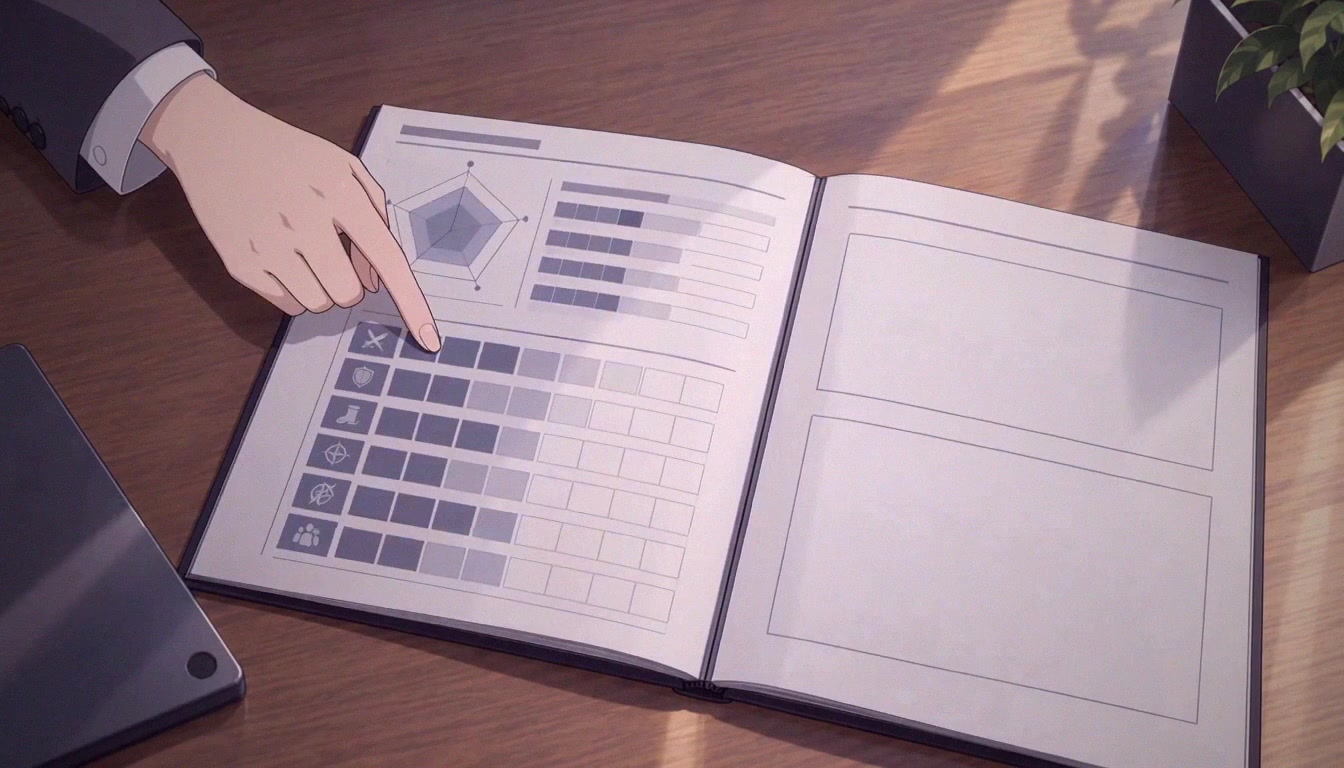
Characters were also mixed up, and desks and documents changed between shots. Generating files and collecting assets did not establish that time moved forward on screen or that characters were actually performing. Those needed separate checks.
Rebuilding scene by scene with Opus
Partway through, I moved the main production work to Claude's Opus and reconsidered the shots and dialogue. We made starting images, generated video, inspected frames and chose usable ranges. Each scene was roughly edited and reviewed before moving on. Codex continued to handle image generation after the handoff.
We also stopped stretching pictures to fill long dialogue. Lines were trimmed and views divided among listeners' reactions, over-the-shoulder shots and hand inserts. A silent review cut with subtitles came first, so we could assess events and transitions before adding voices.
Some staging changed in response to generated results. Where stepping over a barrier did not connect properly, we created a passage through its center. Running shots resembling a chest-camera view were added between the scream and the rescue. The story's events stayed intact while the actions became clearer on screen.
Separating voice from mouth animation
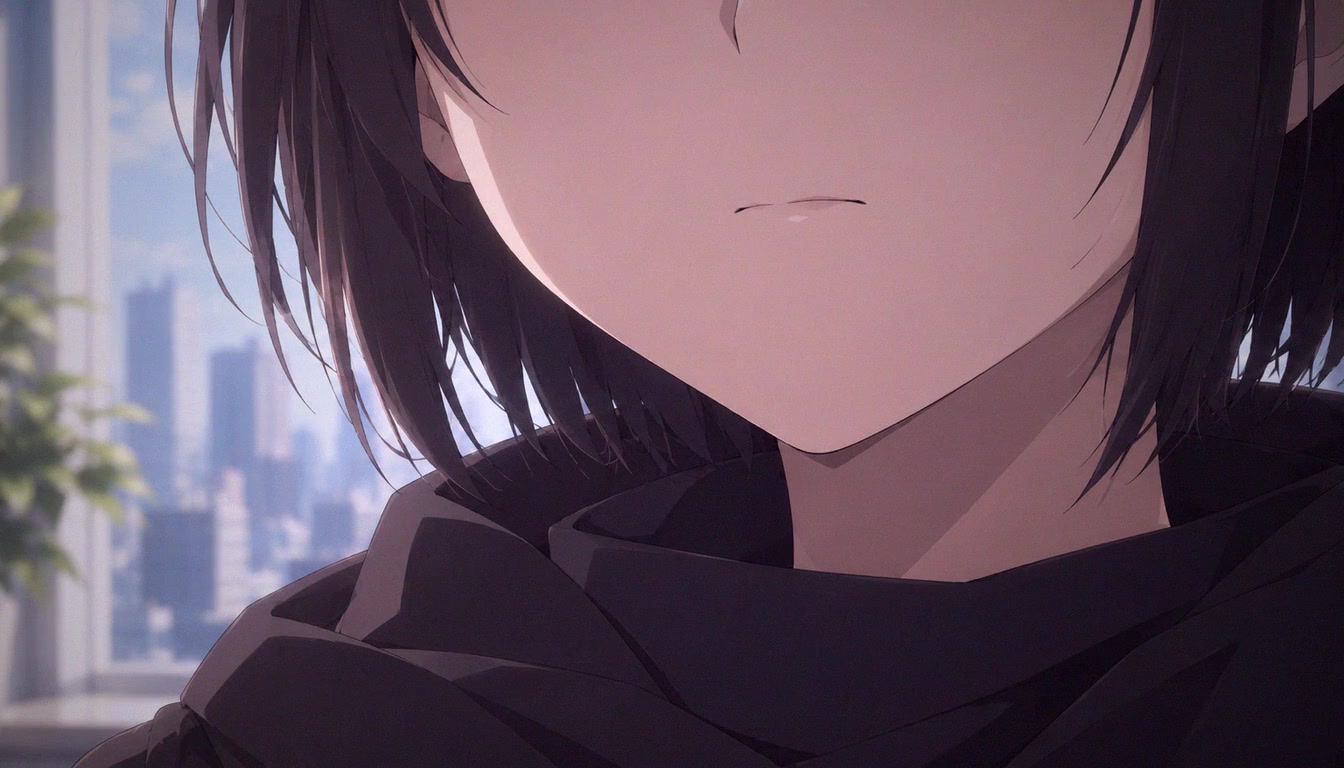
For dialogue, body motion and mouth animation were made separately. Generated footage generally used closed mouths, with voices laid over a listener's reaction or hands. Lines that needed to show the speaker's mouth received inserts using replacement mouth images.
Three images—a closed mouth, a small opening and a larger opening—were switched according to voice volume. Sixteen cuts used this method. It responds to audio amplitude rather than analyzing the mouth shapes of individual speech sounds.
After tests with local text-to-speech, I changed the voices to Fish Audio. The 73 audio assets I generated were transcribed and split to match 82 lines of dialogue. Mouth animation and dialogue placement were then readjusted to the final voices.
Finishing the picture and sound
Black magic-bullet trails, scope frames, livestream graphics and amounts on payment statements were added during editing. We distinguished the view available to stream viewers from the objective view seen by the anime audience, then added the necessary information.
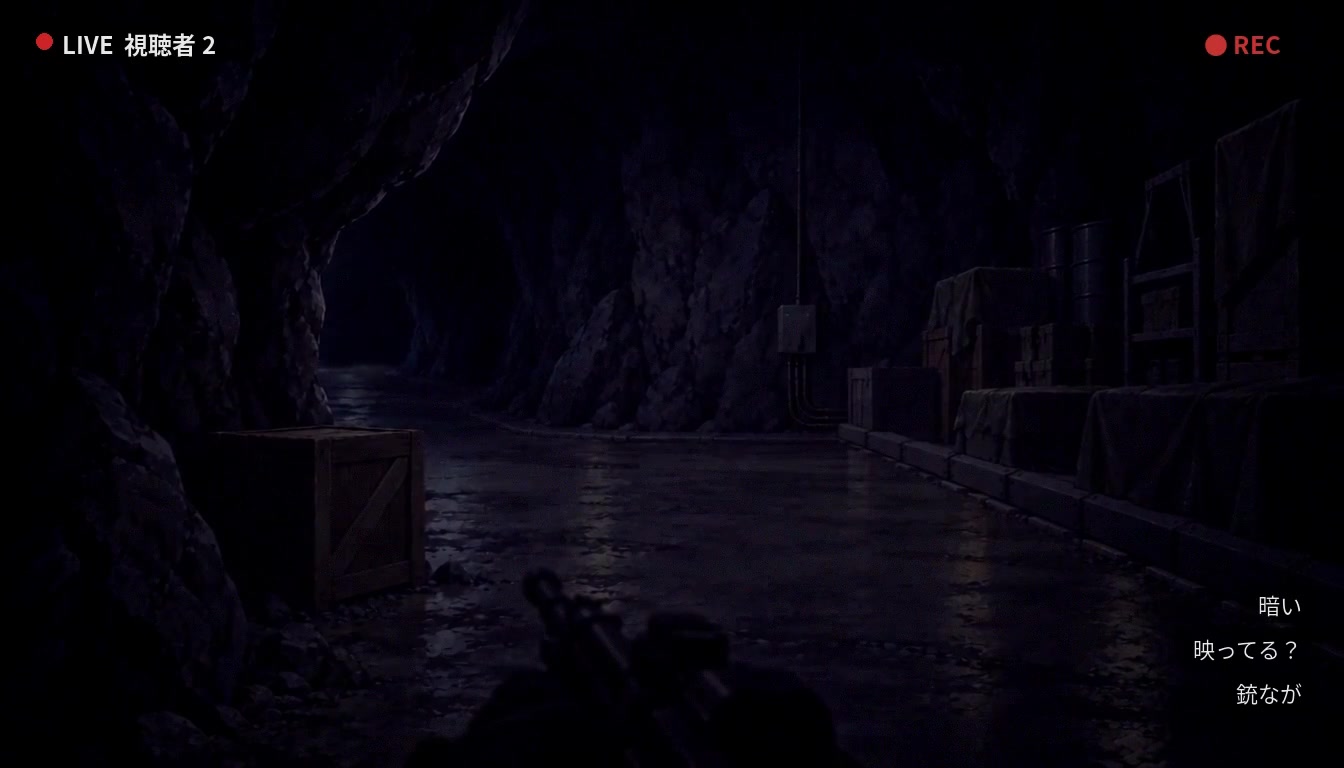
Sound effects combined existing assets with newly generated sounds, while music created in Suno was placed scene by scene. Music was lowered under dialogue to balance voices, effects and background tracks. Editing and compositing used Python and FFmpeg processes built by Opus.
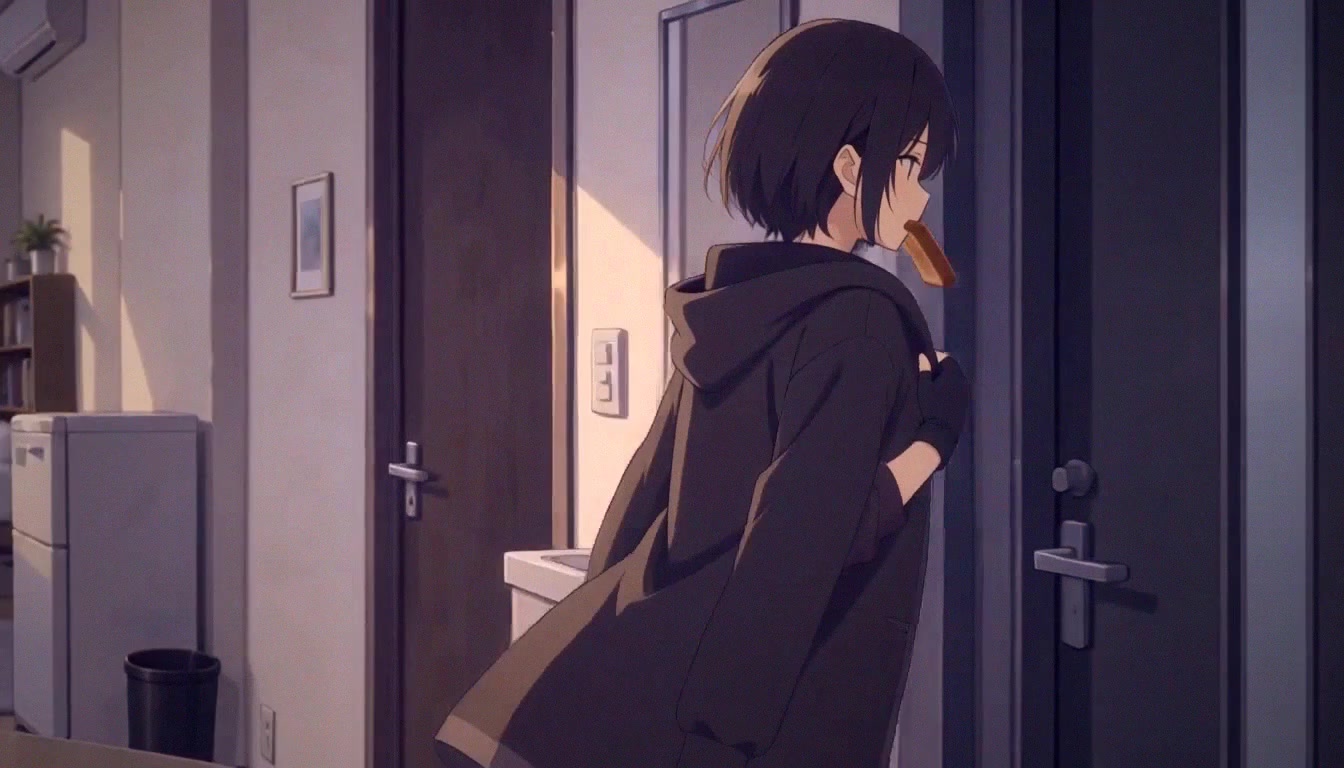
During production I pointed out issues one at a time: bread being eaten too quickly, Maho's incorrect hair color, changing document text and mouths moving without voices. Revisions continued throughout. Decisions about character identity and the original story's tone remained part of the work until the end.
What to carry into the next episode
The rebuild's recorded cumulative estimate for video generation was about 27 US dollars. This comes from submission-time records and has not yet been checked against invoices. It is not the total production cost: early experiments, image and voice usage plans, the existing opening and ending, and time spent making the episode are separate.
For the next episode, I want to review scenes earlier. A successful shot does not establish that an interview, shopping scene or rescue will work equally well. I want to watch them in sequence and check who does what and whether each state follows naturally from the last, without waiting for every asset to be finished.
The handoff from Codex to Opus changed both the main production agent and the workflow. I will carry the decisions and revisions from this episode into the next.