
Making TS Sniper Girl Episode 2: Stray Cat
Armoa / MONOPHASES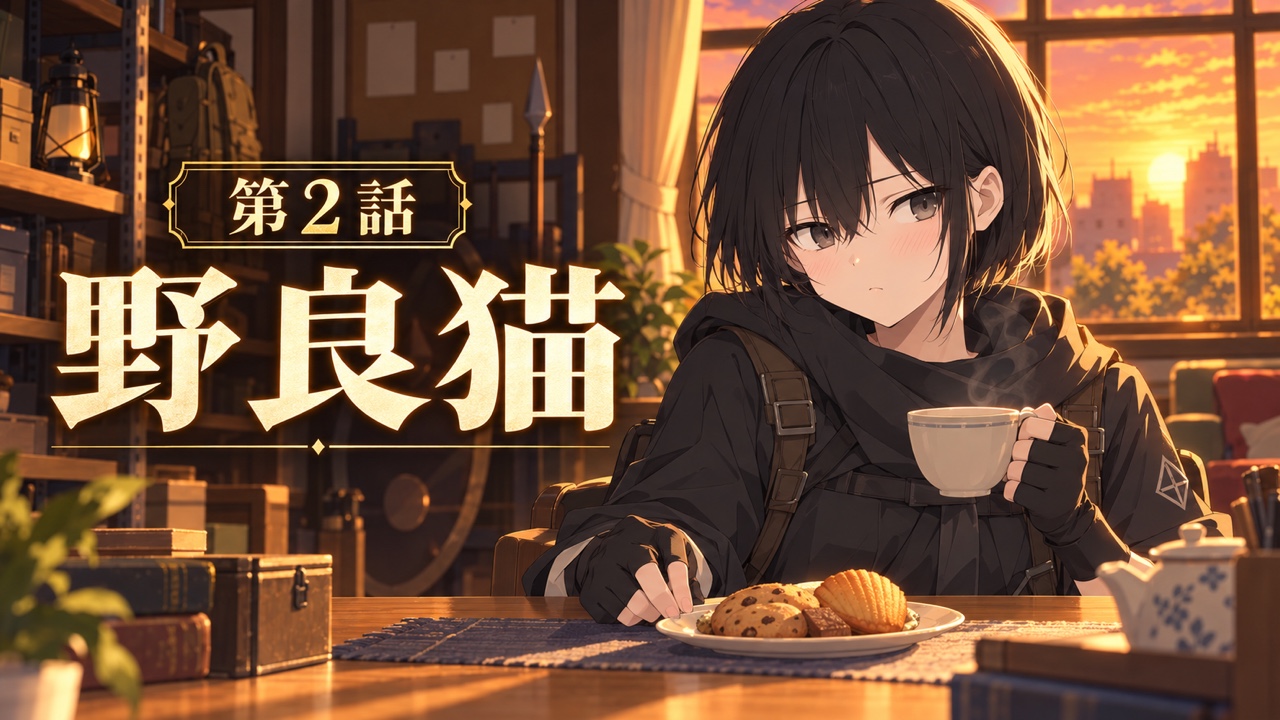
Episode 2 of TS Sniper Girl’s Dungeon Streaming, “Stray Cat,” is now on YouTube. This episode follows the gradual change in Noa’s relationship with Akaribi, the adventuring party she rescued in Episode 1.
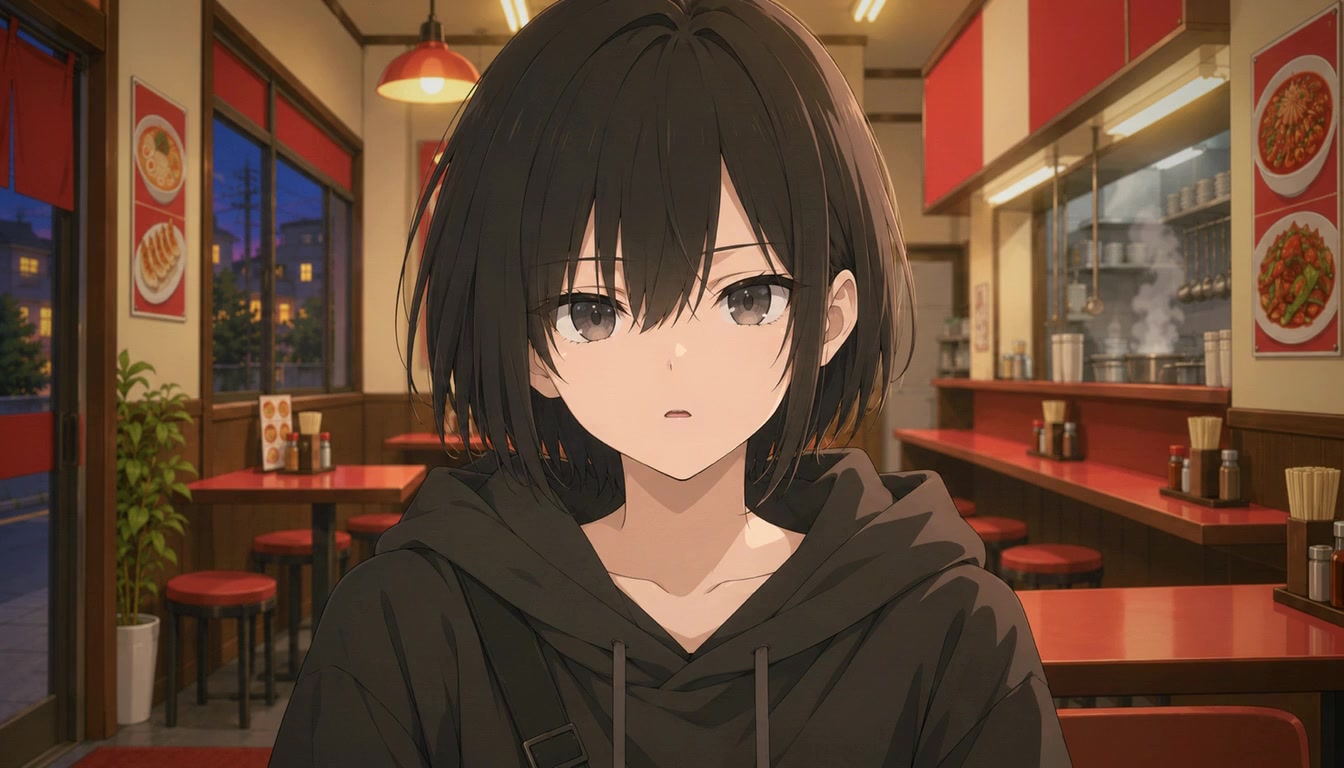
The finished video runs about 5 minutes 13 seconds. It moves from a shot during a livestream to the title, a Chinese diner, the party’s office and a practice range, without opening or ending sequences. It adapts chapters 4–6 of the novel.
Visits to repay a favor become everyday life
Noa tries to repay kindness as a debt. Each visit intended to settle that debt brings another meal, a baked treat or a promise to meet again. The episode centers on visits with a purpose gradually becoming visits even when there is no reason to come.
Almond jelly at the diner, baked treats at the office, a hand gripping a bag and a hand pausing at a doorway carry part of the story. Alongside her inner voice, these small actions show Noa slowly letting her guard down.
Reviewing scenes through voices and an animatic
Episode 1 showed the need to review whether scenes worked, separately from whether assets were ready. For Episode 2, we reviewed the structure, voice script, still-image storyboard, voiced animatic and a representative scene before producing the full episode.
Fish Audio recordings were matched to dialogue and measured. Overlong lines were recorded again, and extended silences inside lines were trimmed. Instead of speeding up every voice, we distinguished pauses needed for performance from lines that could be shortened.
The animatic helped align names with reaction shots, adjust quick replies and establish changes of location. AI reviews considered editing and a first-time viewer’s perspective, with decisions on which suggestions to adopt before proceeding to video.
Making three shots readable through editing
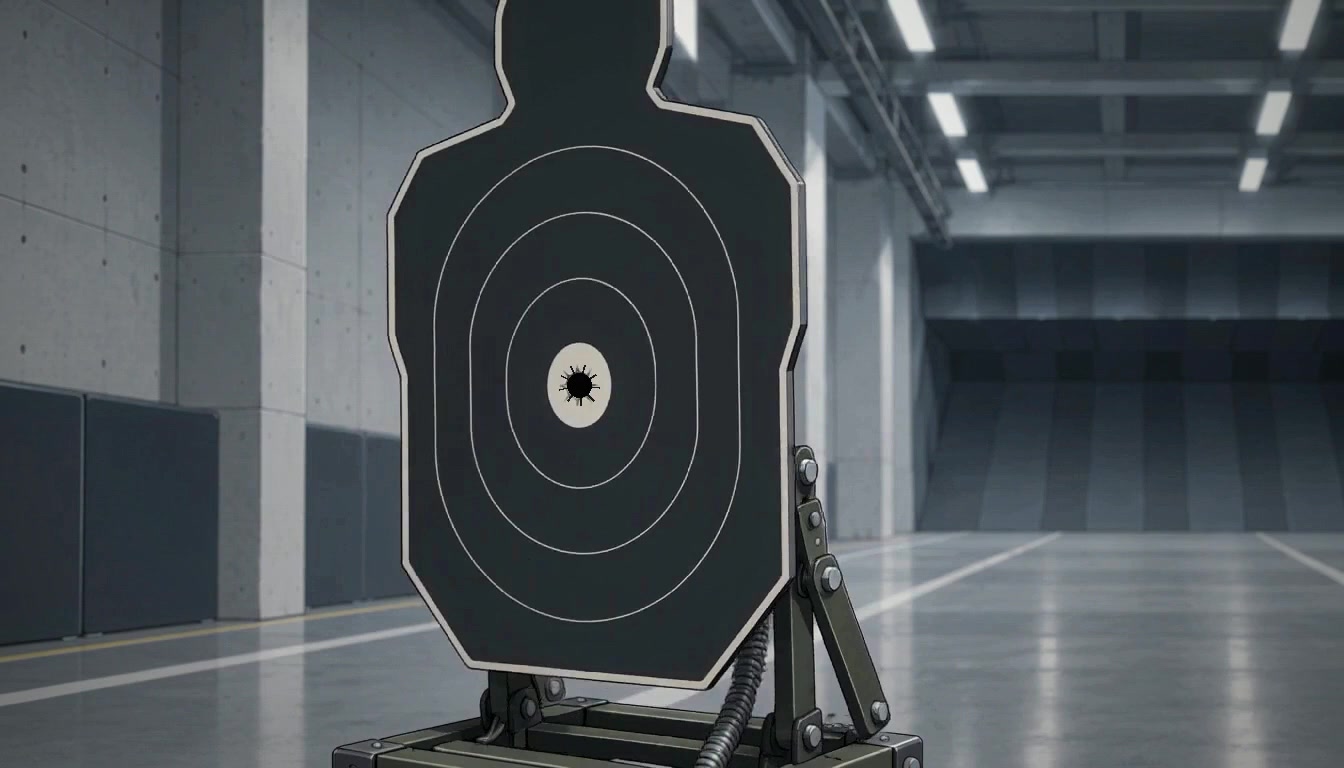
The representative test was Noa’s three-shot demonstration at the practice range. Wide shots did not reliably raise multiple targets in the specified order. Adding a bullet trail afterward also left mismatches in impact positions and shooting direction.
We divided the action into a rising target, a close view of the muzzle, the shot sound and a target with a hole. Editing connected the action with its result. The three shots received different rhythms: time to read the first, a quick second shot, and a pause before the third.
Feedback that the test was too fast led us to lengthen the time for recognizing targets and reading results. A short sequence let us check the order and duration needed to communicate cause and effect before expanding production.
Revising generated footage and mouth animation
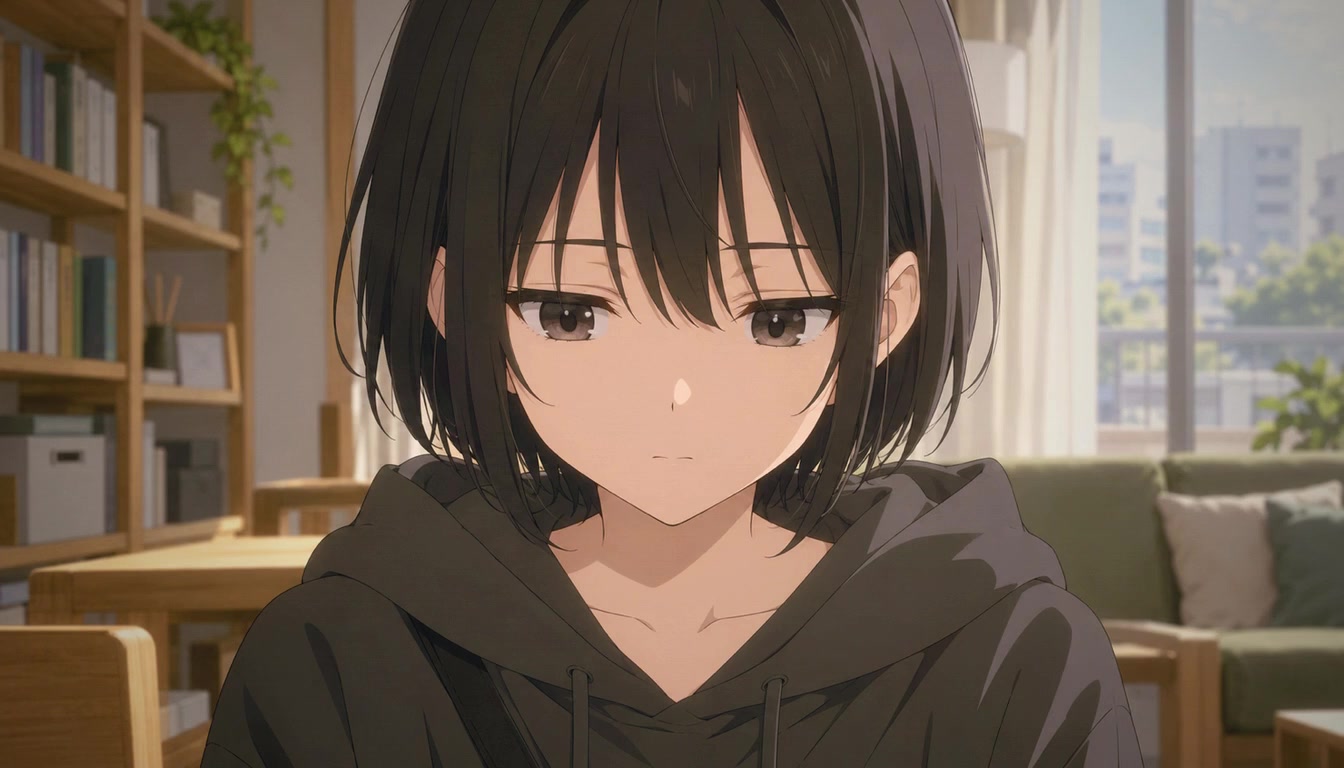
Full production still encountered changing glasses and hairstyles, extra hands, and overlapping characters causing one person to disappear. Where selecting usable footage was insufficient, starting images were rebuilt. Increasing the initial distance between characters improved one overlapping shot.
Unwanted mouth movement also persisted. In some cases, rewriting the closed-mouth instruction did not help. We used a closed-mouth frame tracked to the moving face, combining revised instructions with corrections during editing.
Dialogue mouth animation switches between closed, slightly open and open mouth images according to voice volume. When rebuilding 29 cuts, we aligned the replacement images against the full face and the area above the mouth to reduce movement outside the mouth. This does not analyze phoneme-specific mouth shapes.
A nickname reaches the livestream
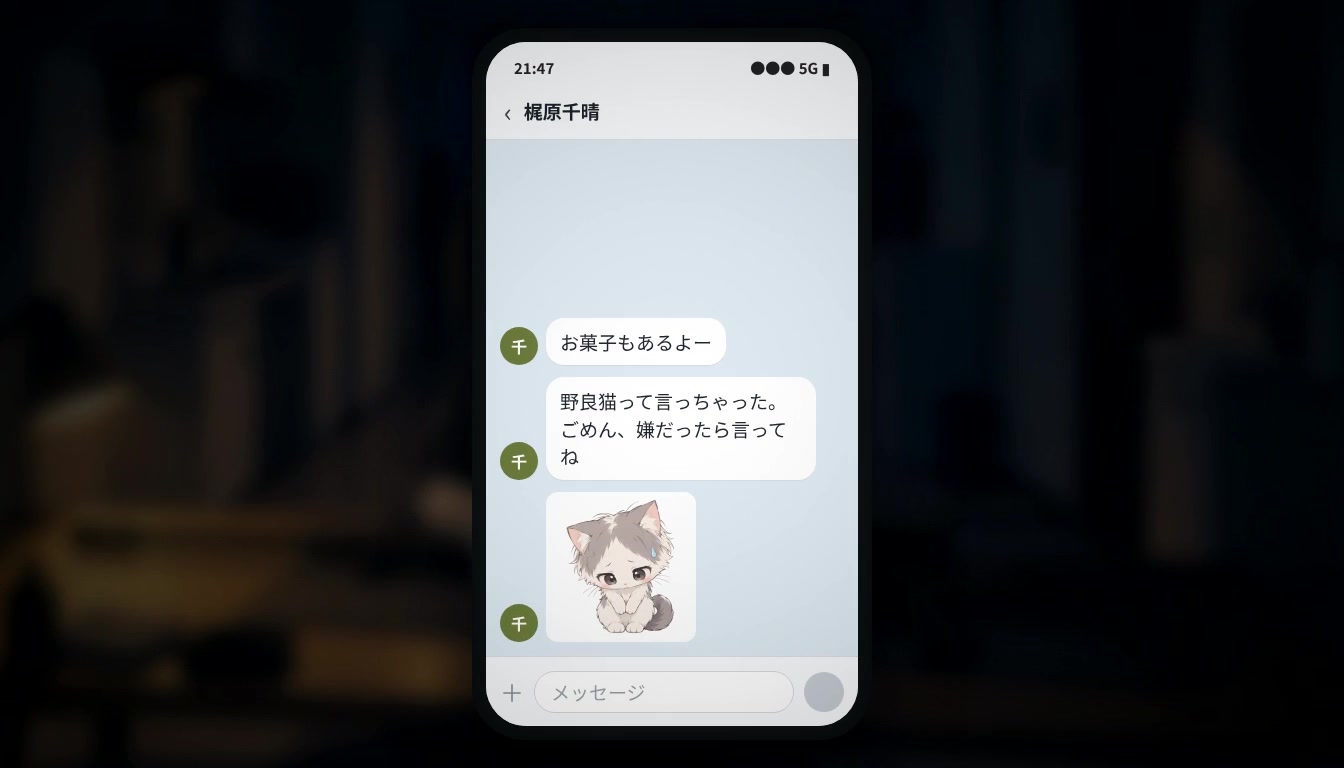
Livestream comments, phone messages and forum screens were assembled separately from the footage. Editing determined the text, its placement and notification sounds, connecting the words Noa receives with her reactions.
The nickname “Stray Cat” travels from conversation in the office to the nighttime stream. Viewers who help a lone sniper spot her targets now start noticing Noa herself. The streaming screens at the beginning and near the end support that change.
Finishing the episode with sound and light
Sound effects combine Episode 1 assets with newly generated sounds, while its music was arranged again for the new scenes. Ambience for the diner, evening street, range and cooking pot was added, with music lowered underneath dialogue.
Final compositing adjusted scene colors, soft light, darker edges, drifting particles and light through windows. The warmth of the diner, cooler range, evening office and nighttime room each communicate a different place and time.
Generation still did not follow every instruction. Reviewing a short scene first, choosing usable portions and rebuilding where needed brought Episode 2 to publication. I hope viewers enjoy both Noa’s shooting and her gradual acceptance of other people’s kindness.
Read the Episode 1 production journal +
More updates +